
Ukrainian Drone Defense Ecosystem: What Can the World Learn?
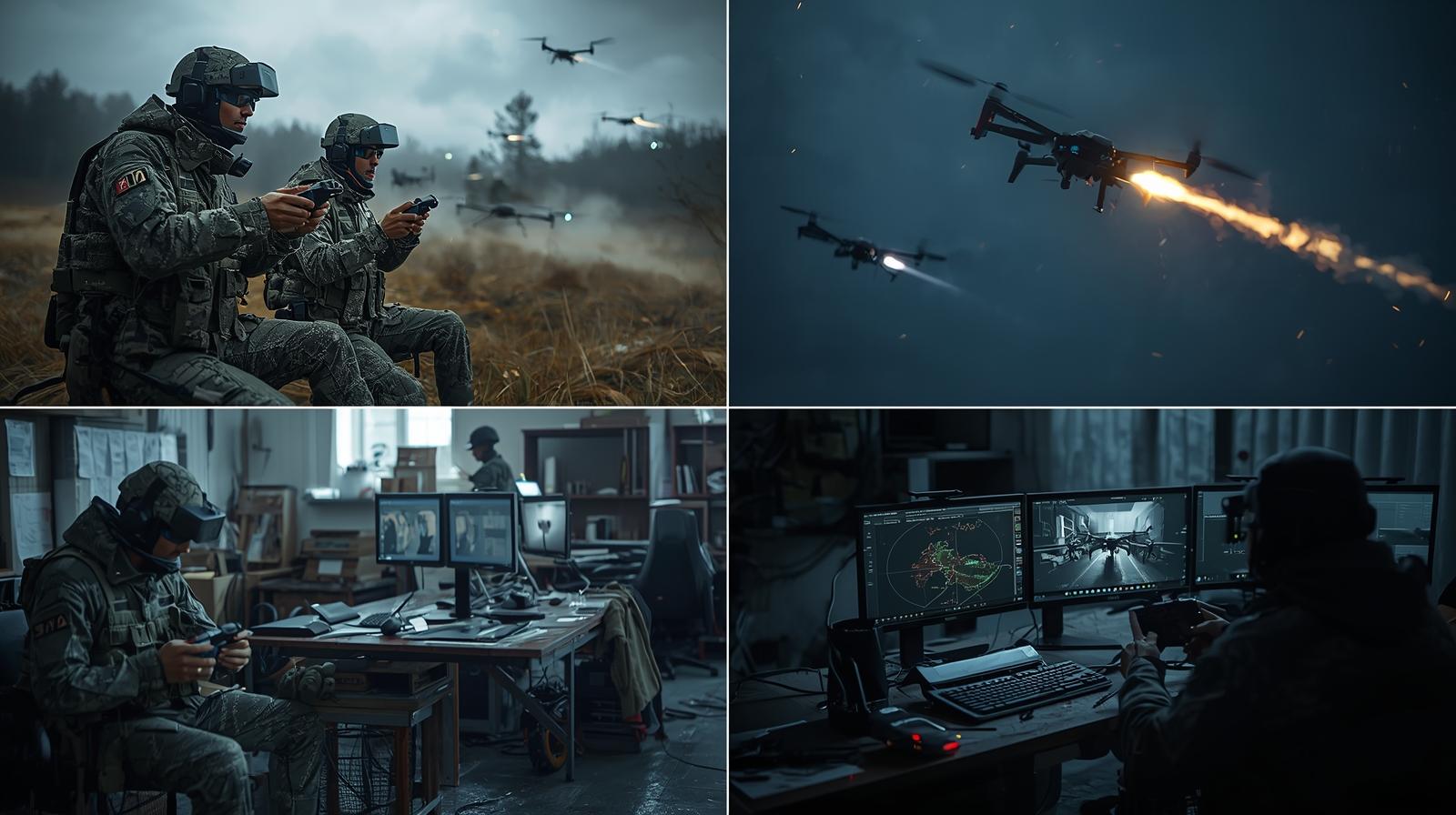
Ukraine has become one of the global leaders in the rapid growth of drone defense. Ultra-fast production, innovative tactics, and adaptability to challenges—particularly electronic warfare (EW)—have created an ecosystem that other nations are already learning from. This is not just about technology; it is a new paradigm of conducting defensive operations.
1. Mass Production and Economies of Scale
In 2024, Ukraine acquired around 1.5 million FPV drones, nearly all domestically produced. This has significantly reduced the cost of each mission, as a strike drone is far cheaper than traditional artillery or aviation. Manufacturers and startups have mobilized to scale production within days, with even larger volumes projected for 2025.
What the world can learn:
-
Supporting local production wherever possible.
-
Building flexible manufacturing systems that can scale rapidly in response to demand.
2. Countering EW and Ensuring Communication Resilience
New FPV drones and other unmanned systems now feature frequency-hopping, jamming resistance, and auto-adjustment to remain controllable under EW attacks. One major innovation is fiber-optic drones, operated through cables up to 10–20 km long, making them almost impossible to jam.
What the world can learn:
-
Multi-channel communication with automatic frequency switching.
-
Alternative control methods (fiber optics, AI-guided navigation) for critical missions.
-
Stricter standards for data protection, including end-to-end encryption and channel authentication.
3. Interceptor Drones and Counter-Drone Tactics
Ukrainian interceptor drones have proven highly effective: during one attack involving hundreds of enemy UAVs, over 150 strike drones and decoys were destroyed in a single night. These models respond quickly, fly at high speeds, and are adapted to operate under EW conditions.
What the world can learn:
-
Development of small, low-cost, but efficient interception systems to complement expensive air defense.
-
Adopting the strategy of “numerical superiority” through swarms of affordable drones.
4. Situational Awareness, Command Systems, and Data Integration
The Delta system—a Ukrainian battle management and situational awareness platform—integrates data from drones, sensors, satellites, and foreign intelligence. AI/ML tools are used for automatic detection, analysis, and trajectory prediction, even when EW blocks conventional communication or fiber-optic drones are unavailable.
What the world can learn:
-
Building joint situational awareness platforms to coordinate operations and reconnaissance.
-
Integrating AI into drones and command systems to increase strike accuracy.
-
Developing tailored solutions for modern battlefield requirements.
5. Challenges and Limitations of Scaling
-
Component dependency: Many parts are imported, making supply chain stability a concern.
-
Power supply: Limited battery capacity and mobile energy sources constrain autonomy.
-
Arms race with the enemy: Every solution triggers a countermeasure, requiring continuous innovation and flexibility.
Ukrainian drone defense is not just a set of hardware solutions. It is a complete ecosystem where production, tactics, protection, command, and innovation evolve under the pressure of real combat.
What the world can adopt:
-
the speed of innovation and the ability to adapt daily;
-
affordable, effective solutions — FPVs, interceptor drones, counter-drone systems;
-
multi-frequency, secure communications;
-
AI/ML integration for prediction and automation;
-
the development of a national production base and localization of critical components.
The Ukrainian drone defense ecosystem has proven that the future of warfare is defined not by individual devices but by an entire system of production, tactics, and technologies. Mass FPV production, resilient communications, AI integration, and the ability to adapt daily have made Ukraine a global leader in this field.
The key lesson for the world is to invest in domestic production, create affordable and effective solutions, and advance management systems with AI. Ukraine has demonstrated: drone defense is no longer the future, but the present — and those who learn from this experience today will hold a strategic advantage tomorrow.